
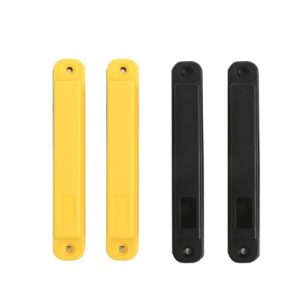
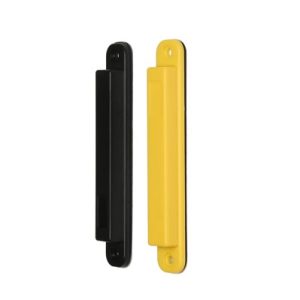
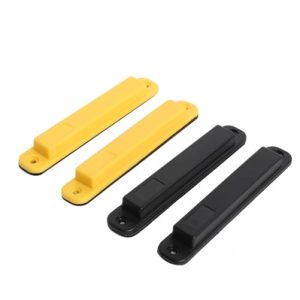
A rugged RFID tag ideal for industrial environments, offering long-range tracking and multi-tag reading capabilities for supply chain and logistics management.
RFID Tags: Revolutionizing Identification and Tracking
RFID (Radio Frequency Identification) tags are essential tools for modern tracking and identification systems. From retail to industrial applications, RFID tags and readers enable seamless data exchange, offering unparalleled efficiency and accuracy. Whether in vehicles, books, clothing, or Jewellery, RFID technology is a game-changer for asset management and beyond.
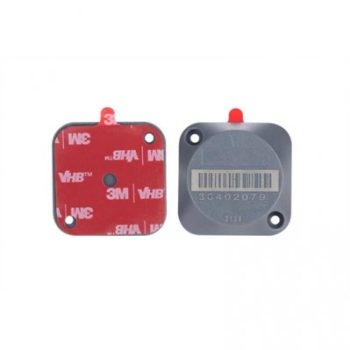
How RFID Tags Works?
An RFID tag comprises three components:
- Microchip: Stores unique identification data.
- Antenna: Facilitates communication between the tag and the reader.
- Substrate: Protects the internal components.
The RFID reader emits radio waves, which activate the RFID tag. Passive tags draw energy from these waves to transmit data, while active tags use their internal power source. The reader processes the tag’s information and sends it to a backend system for analysis.
For example, RFID tags in cars enable automated toll collection, while RFID tag readers scan items in warehouses for accurate inventory tracking.

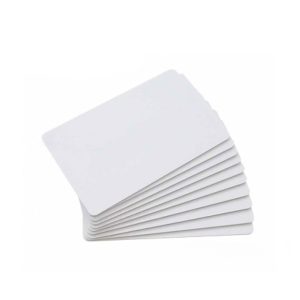

RFG-T10
A compact, lightweight RFID tag perfect for small items and office equipment, providing reliable short-range tracking with excellent read accuracy.


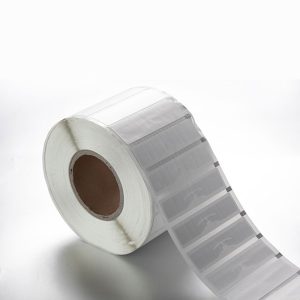
ALN-9654
A high-performance UHF RFID tag with superior long-range sensitivity, suitable for vehicle and large-scale inventory tracking applications.


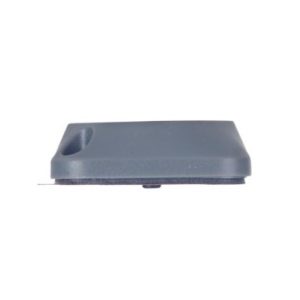
RFG MTA 10
An active RFID tag with an impressive 400-meter reading range and ultra-low power consumption, ideal for outdoor and industrial asset tracking.
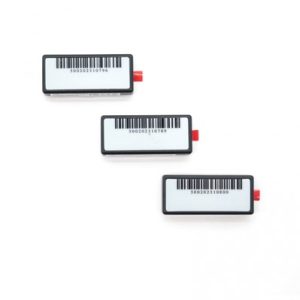
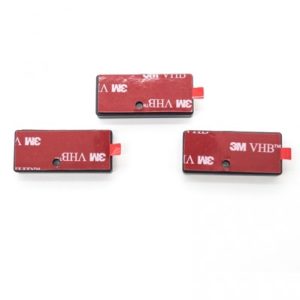
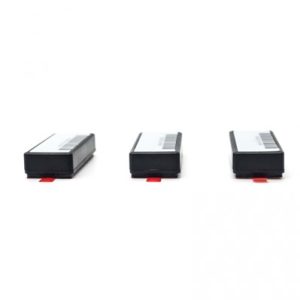
RFG MTA 12
A small, efficient RFID tag with anti-tamper features and adjustable range up to 80 meters, designed for IT assets and valuable equipment tracking.
Key Features of RFID Tags


Benefits of RFID Tags


Use Cases


Tell Us Your Detailed Requirement
